



5 min read
In Nigeria, the question “what is your genotype?” can come up before “what is your surname?” That is not paranoia. AS genotype compatibility decides whether a couple’s children could be born with sickle cell disease, a lifelong illness that brings pain crises, hospital stays and heavy bills.
Being AS is not a curse, and it does not mean you cannot marry the person you love. It means you need the facts early, before the introduction, the aso ebi and the hall booking.
What the letters mean
Your genotype describes the type of haemoglobin you inherited, the protein in red blood cells that carries oxygen. You get one gene from your mother and one from your father. A is the usual type. S is the sickle type. C is another variant, less common but present in Nigeria, especially in the south west.
- AA: two usual genes.
- AS: one usual gene and one sickle gene. This is called sickle cell trait.
- AC: one usual gene and one C gene, also a carrier state.
- SS: two sickle genes. This is sickle cell disease.
- SC: one sickle gene and one C gene. This is also a form of sickle cell disease.
The World Health Organization notes that people with sickle cell trait usually have no symptoms but can pass the gene to their children. It also reports that around 515,000 babies are born with sickle cell disease each year, mostly in sub-Saharan Africa. Nigeria carries the largest share of any country.
AS genotype compatibility: the real odds
Each child gets one gene from each parent, chosen by chance. So the odds apply to every pregnancy separately. Having one SS child does not mean the next three will be AA.
AS and AA: each child has a 50 percent chance of being AA and a 50 percent chance of being AS. No child will have sickle cell disease. This pairing is safe.
AS and AS: in each pregnancy there is a 25 percent chance of AA, a 50 percent chance of AS and a 25 percent chance of SS. That one in four risk is why doctors and churches often advise caution.
AS and AC: each child has a 25 percent chance of SC, which is a form of sickle cell disease. Many people forget about the C gene, so make sure your test checks for it.
AS and SS: each child has a 50 percent chance of SS and a 50 percent chance of AS.
Get tested properly, and test again
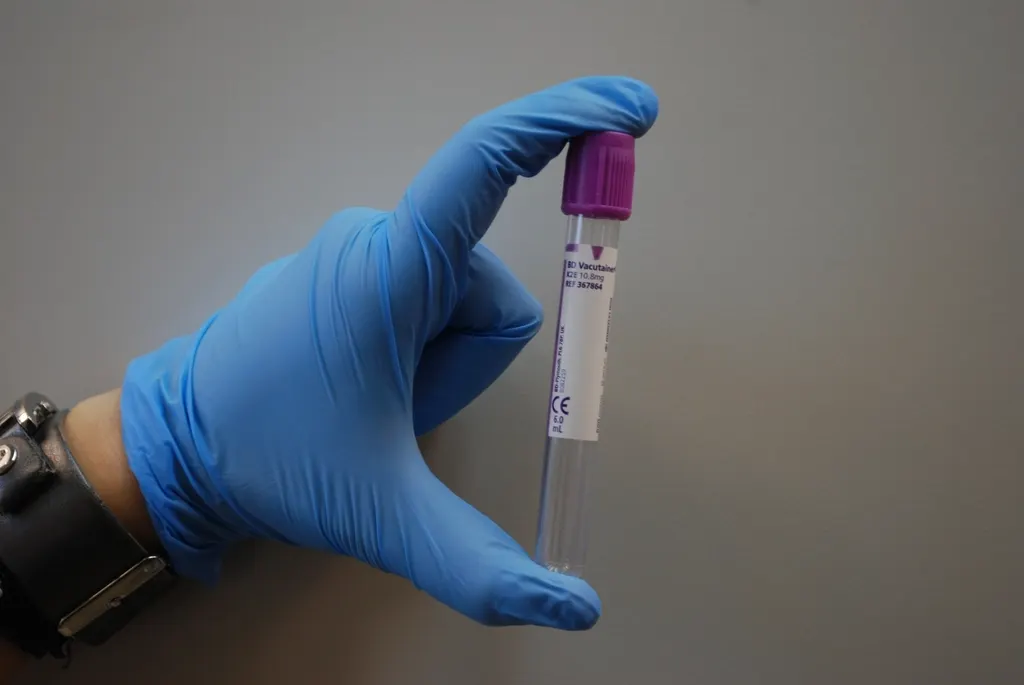
Genotype tests are cheap and widely available in hospitals and labs. The most common method is haemoglobin electrophoresis. Some labs use a more precise test called HPLC.
Mistakes do happen, especially at roadside labs with poor equipment. Plenty of couples were told they were AA and AS, only to have an SS child. If your result will shape a marriage decision, do the test at a reputable hospital laboratory, and ideally repeat it at a second lab. Go together if you can, so nobody wonders whether a result was “adjusted”.
When to have the conversation
Asking on the first date is a bit much. Waiting until the traditional wedding is too late. Somewhere in between, once things are getting serious, is the sensible time.
Emotions grow fast, and people in love tend to believe they will be the lucky ones. A gentle conversation early, while you can still think clearly, saves a lot of heartbreak. If you are planning the full ceremony, our guide to Nigerian wedding traditions is a reminder of how much money and family goes into it. Better to settle the genotype question before the families meet.
What AS and AS couples can do
Some AS couples decide to part ways, and that is a valid, painful choice. Others go ahead. If you are in that position, talk to a doctor or genetic counsellor before trying for a baby. Options include:
Testing during pregnancy. Tests on cells from the placenta or the fluid around the baby can show the baby’s genotype early in pregnancy. Your doctor will explain the small risks involved and what you would do with the result.
IVF with embryo testing. Some fertility centres in Lagos and Abuja can test embryos and implant only those without sickle cell disease. It works, but it costs millions of naira and may need more than one attempt.
Adoption. It is still underused in Nigeria, but it is a loving way to build a family.
Living with sickle cell disease today
Sickle cell disease is serious, but it is no longer the death sentence many grew up hearing about. With early diagnosis, regular clinic visits, vaccines, malaria prevention, good hydration and modern medicines, many people with SS live into adulthood and beyond. Bone marrow transplant and newer gene treatments can cure some patients, though cost and access remain huge barriers.
The NHS guide to sickle cell disease explains the symptoms and treatments in plain language. Every newborn should be screened, so a child with SS can start care before the first crisis.
A word on stigma
People with AS are healthy carriers. People with SS deserve love, jobs and respect like anyone else. Judging AS genotype compatibility is about planning children, not ranking people.
So know your genotype, know your partner’s, and get both results from a lab you trust. Then make the choice with your eyes open, and bring a doctor into the conversation as well as Aunty.
Get new stories by email
Practical guides on money, work, tech and culture. No spam, and you can leave at any time.