



5 min read
Good kitchen hygiene tips are not about owning a spotless show kitchen like the ones on Instagram. They are about stopping the stomach upset that ruins a weekend, and keeping rats and cockroaches from treating your pots like a free buffet.
Most Nigerian kitchens work hard. Stew is fried on Sunday, beans are soaked overnight, fish is cleaned in the sink, and the gas cylinder sits in the corner beside a bag of garri. All that activity leaves crumbs, grease and moisture, which is exactly what germs and pests love.
A daily routine that takes 15 minutes
Do a short reset every night instead of a big clean once a month. Wash or soak every pot and plate before bed, because dried egusi on a pot is twice the work tomorrow. Wipe the counters and the cooker top with hot soapy water, then dry them.
Sweep the floor, paying attention to the gap under the cupboards where rice grains hide. Then take out the rubbish. A bin left open overnight is an invitation card to every rat on your street.
Kitchen hygiene tips for handling food
The WHO Five Keys to Safer Food sum it up neatly. Keep clean, separate raw and cooked food, and cook thoroughly. Keep food at safe temperatures, and use safe water and raw materials. In a Nigerian kitchen, that looks like this:
- Wash your hands with soap before cooking and after touching raw meat, fish, eggs or the dustbin.
- Use one chopping board for raw meat and fish and another for vegetables, fruit and cooked food.
- Never put cooked meat back on the plate that held it raw.
- Wash fruit and vegetables under clean running water, especially anything eaten raw like cucumber or garden egg.
- Cook chicken, turkey and gizzard until there is no pink left and the juices run clear.
- Boil or filter drinking water if you are not sure of its source, and cover your storage drums.
Dishcloths, sponges and chopping boards
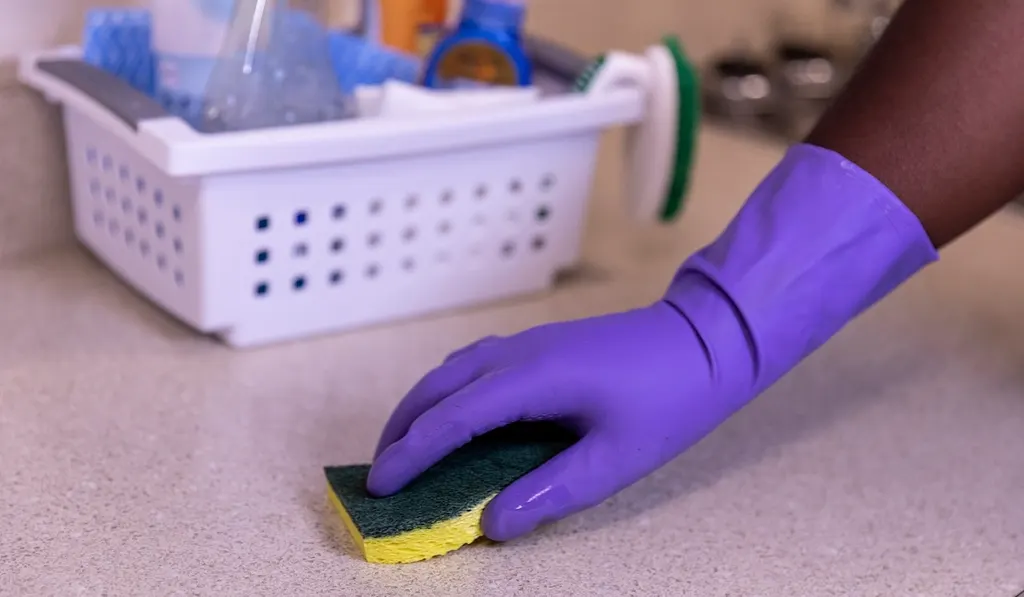
That one sponge that has been in your sink since last month is probably the dirtiest thing in the house. Damp cloths and sponges breed bacteria quickly, then spread them over every surface they touch.
Wash dishcloths in hot water every few days and hang them to dry fully in the sun. Replace sponges often, since they are cheap. Scrub chopping boards with hot soapy water after each use, and throw out wooden boards once they develop deep cracks that trap food.
The UK Food Standards Agency has clear guidance on cleaning and disinfecting surfaces, including the difference between cleaning off dirt and killing germs. You need both. Wipe away grease and food first, then use a disinfectant on surfaces that touched raw meat.
Using bleach and disinfectants safely
Bleach works, but it deserves respect. Always dilute it as the label says, open a window, and wear gloves if you have them. Never mix bleach with other cleaners, especially ones containing ammonia or acids like some toilet and tile cleaners, because the fumes can be dangerous.
Keep all cleaning products in their original containers, high up and away from food. Never store kerosene or bleach in old soft drink bottles, which children and visitors can mistake for something to drink.
Keeping rats and cockroaches out
Pests are not only disgusting. In Nigeria, rats carry real health risks, including Lassa fever, which spreads through food or surfaces contaminated by rat urine or droppings. That alone is reason to take this seriously.
Store garri, rice, beans, flour and crayfish in containers with tight lids, not open bags. Clear out clutter, such as old cartons and empty bottles piled in corners, because cockroaches breed behind them. Seal holes around pipes and under the sink, and fix leaking taps so pests do not have water.
Check the cupboard every few weeks. Weevils love flour, semovita and beans, and a forgotten pack can infest everything around it. If you use rat poison or insecticide, keep it far from food and children, and follow the label exactly.
The fridge, and what to do when light goes
A fridge should stay at 5°C or below. Clean it out once a month, throw away anything past its best, and wipe up spills straight away, especially blood from thawing meat. Store raw meat and fish on the bottom shelf so nothing drips onto cooked food.
Power cuts make this harder. Keep the door shut as much as possible during an outage, and do not refreeze meat that has fully thawed. Cooked food left out in the heat for more than a couple of hours is risky, because some bacteria leave toxins that reboiling does not destroy. When in doubt, throw it out. If constant outages are spoiling your food, our guide on choosing an inverter and battery can help you keep the fridge running.
A weekly and monthly checklist
Once a week, wipe the inside of the microwave, scrub the sink and drain, mop the floor properly and wash the bin. Once a month, clean the fridge, check your cupboard for weevils and expired tins, and degrease the wall behind the cooker.
These kitchen hygiene tips cost very little beyond soap, a few containers and some discipline. If anyone at home has vomiting or diarrhoea that will not settle, or shows signs of dehydration, see a doctor or pharmacist. Do not wait it out.
One last habit worth stealing from the market women who keep their stalls spotless: clean as you cook. Wash the blender while the stew simmers, and by the time the food is ready, the kitchen nearly is too.
Get new stories by email
Practical guides on money, work, tech and culture. No spam, and you can leave at any time.