



5 min read
Ask any Yoruba grandmother about shea butter uses and she will list a dozen before you finish your question. In many Nigerian homes, a tub of ori sits on the dressing table, ready for cracked heels, a baby’s dry skin or a stubborn scalp.
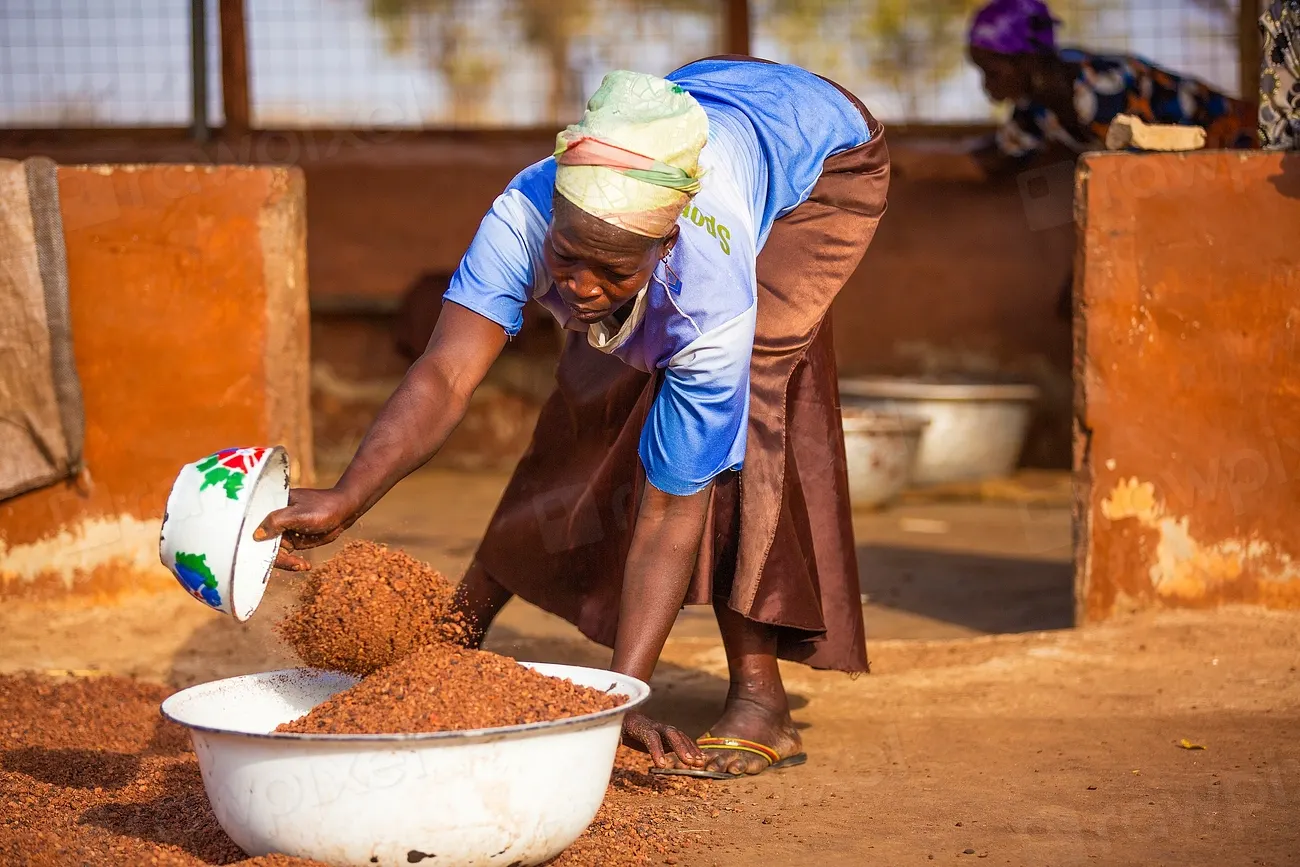
Ori comes from the nuts of the shea tree, which grows across the savannah belt of West Africa, including northern Nigeria. Women in places like Niger and Kwara State still process it by hand: drying the nuts, roasting, grinding, kneading and boiling until the creamy fat rises. It is one of the oldest beauty products on the continent, and it still earns its place.
Why ori works so well on skin
Shea butter is rich in fatty acids, which help seal moisture into skin. It also contains vitamins A and E and natural compounds with mild soothing properties. In plain terms, it forms a soft protective layer that stops water escaping from your skin.
The Cleveland Clinic’s overview of shea butter benefits notes that it can moisturise dry skin and may help calm irritation. It is not a cure for skin disease, and no honest seller should claim it is. But as an everyday moisturiser, it is hard to beat for the price.
Everyday shea butter uses for skin
This is where ori really shines. A small amount goes a long way, so start with a pea-sized portion warmed between your palms.
Dry and ashy skin
Ashiness happens when the top layer of skin loses moisture and dead cells build up. Apply ori straight after a bath while your skin is still a little damp. Elbows, knees and shins love it, especially in harmattan, when the dry wind leaves everyone looking dusty by noon.
Cracked heels and rough hands
Market women, cooks and anyone who walks around in slippers knows the pain of cracked heels. Rub a generous layer of shea butter on clean feet at night and wear socks to bed. After a week or two, most heels look noticeably softer.
Lips
Ori makes a good lip balm when the weather turns dry. It is cheaper than branded tubes and does much the same job.
Eczema-prone skin
People with eczema are often told to moisturise frequently with emollients. The NHS page on eczema treatment explains that regular emollient use is the main way to manage dry, itchy skin. Many people find plain shea butter comfortable, but test it on a small patch first, and keep using any treatment your doctor has prescribed. If eczema is weeping, cracked or infected, see a doctor.
Shea butter for hair and scalp
Natural hair drinks up moisture and loses it just as fast. Shea butter is a classic sealant. After washing and applying a water-based leave-in conditioner, smooth a little ori over your hair to lock the moisture in. It works especially well for twist-outs and braid-outs.
Go easy on the quantity. Too much will leave hair greasy and weigh it down, and it can build up on the scalp. A small amount rubbed into the ends is often enough. Men with beards can use a tiny dab to soften coarse hair.
What ori cannot do
Old blog posts and market sellers make some wild claims about shea butter. Here is a reality check:
- It will not erase stretch marks, though moisturising may make skin feel softer.
- It does not cure fungal infections like athlete’s foot. Those need proper antifungal treatment.
- It is not sunscreen. Any protection it offers is far too low to rely on.
- It cannot lighten skin, and anyone mixing it with bleaching cream is putting you at risk.
That last point matters. Some “special ori” sold in unlabelled tubs has been mixed with steroids or mercury-based lightening agents. These can thin the skin and cause serious harm over time. Buy pure, plain shea butter from a seller you trust.
Using it on babies
Many Nigerian mothers rub ori on newborns after a bath, and it can be a gentle moisturiser for baby skin. Use pure, unscented butter and a thin layer. Keep it away from the eyes and nose. If your baby develops a rash, stop and speak to a nurse, doctor or pharmacist.
Choosing good shea butter
Unrefined shea butter is ivory to pale yellow, with a nutty, smoky smell. Refined versions are whiter and odourless, but some of the beneficial compounds are lost in processing. Bright yellow butter has often been coloured with other plant extracts.
A quick quality test: pure ori melts easily at body temperature and feels smooth once softened. Gritty texture usually means it was not well filtered. Store it in a cool, dry place away from direct sun, since a hot, airless room can turn it rancid faster when NEPA takes light.
If you have a nut allergy, check with a doctor before using it. Reactions to shea are rare, but it does come from a tree nut.
The smartest of all shea butter uses might be the simplest one. Keep a small tub in your bag through dry season, because cracked knuckles at a wedding reception are nobody’s idea of fun. For more on getting through those months, read our guide to harmattan season.
Get new stories by email
Practical guides on money, work, tech and culture. No spam, and you can leave at any time.