



5 min read
Most diet plans fail by the second week because they ask you to eat like someone in a London cookbook. Healthy eating habits that last look different. They fit around eba, beans, suya and the occasional Owambe, and they survive a busy week and an empty wallet.
You do not need to give up Nigerian food to eat well. Many of our traditional meals are built on beans, vegetables, fish and soups that nutritionists love. The trouble usually lies in portion sizes, sugary drinks, too much oil and too much salt.
What a healthy plate looks like
A simple picture helps. Fill about half your plate with vegetables and fruit. Give a quarter to protein such as beans, fish, eggs or chicken, and a quarter to starch such as rice, yam or a modest wrap of swallow. Add a little healthy fat and a glass of water.
The World Health Organization’s advice on a healthy diet backs this up. It recommends plenty of fruit, vegetables, legumes and whole grains, and less salt, sugar and unhealthy fat. For adults, it suggests keeping salt below 5 grams a day, which is about one level teaspoon in total.
Healthy eating habits that work in a Nigerian kitchen
Rethink the swallow
Eba, pounded yam, amala and semo are filling and delicious, but they pack a lot of energy. You do not need to quit them. Make the wrap smaller and let the soup, vegetables and fish do more of the work. Egusi with plenty of ugu or efo riro loaded with greens is a proper balanced meal.
Go easy on oil and seasoning cubes
A pot of stew does not need to float in oil to taste good. Measure oil with a spoon and fry less often; grill, boil or steam instead. Seasoning cubes are very salty, so use fewer and add flavour with onions, garlic, ginger, scent leaf, uda and crayfish.
Watch what you drink
Sugary drinks are the easiest place to cut back. A single bottle of soft drink can contain more sugar than WHO suggests for a whole day. Malt, energy drinks and packaged juice are no better. Swap them for water, unsweetened zobo, kunu without added sugar, or tea.
Eat more beans and vegetables
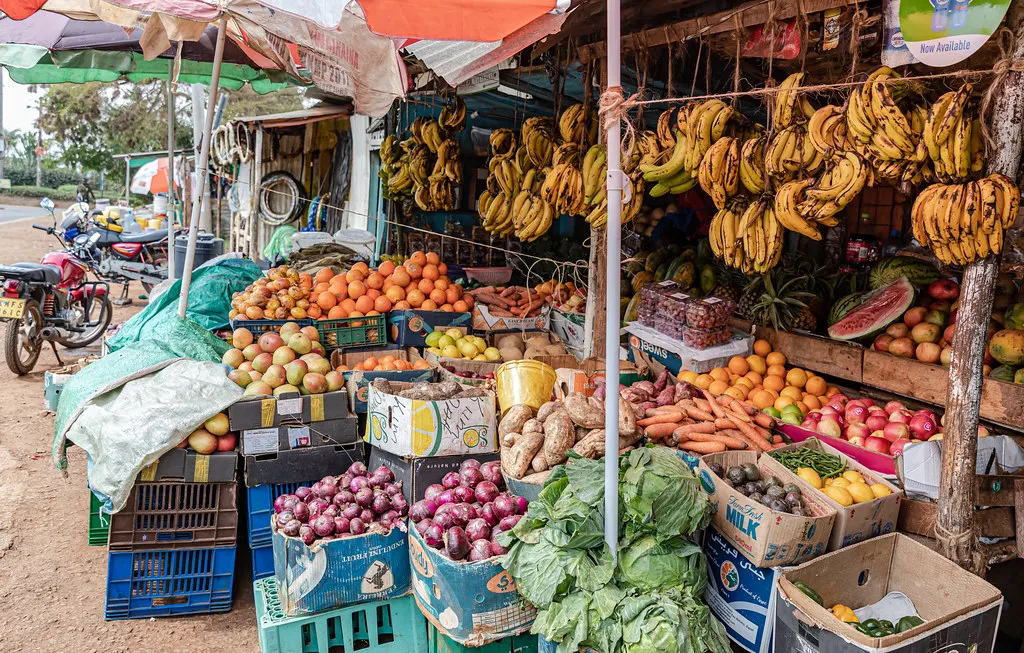
Beans, moi moi, akara and ewa agoyin give you protein and fibre for very little money. Vegetables such as okra, garden egg, carrots, cabbage and ugu are cheap in the market, especially in season. Fibre keeps you full, helps your gut and steadies blood sugar.
Smart snacking
Snacking is not the enemy. Bad snacks are. When the 4pm hunger hits at the office, the buns and sausage rolls by the door are calling your name.
Pack something better instead. Good choices include:
- a banana, orange, pawpaw slices or a handful of tiger nuts
- a small portion of groundnuts or cashews
- boiled corn or roasted plantain with a few groundnuts
- a boiled egg with cucumber
- plain yoghurt with fruit
Portion is everything with nuts. They are healthy but rich, so a small handful is enough.
Plan, pack and cook at home
Buying lunch every day is expensive and usually less healthy. Cooking a pot of beans, a pot of vegetable soup and some grilled fish on Sunday sets you up for most of the week. Pack lunch the night before so the morning rush does not push you towards a meat pie and a soft drink.
Cooking at home also lets you control the salt and oil. You can still enjoy party favourites; our recipe for party jollof rice works well with less oil and plenty of vegetables on the side.
Listen to your body
Many of us grew up being told to finish everything on the plate. It came from a good place, but it trained us to ignore our own fullness. Eat slowly, stop when you are comfortably full, and save the rest for later.
Notice when you eat out of boredom, stress or habit rather than hunger. A glass of water or a short walk often settles the urge. And try not to eat a heavy meal just before bed, especially if you get heartburn.
Small changes beat strict rules
Healthy eating habits stick when they are realistic. Change one thing at a time. This week, swap the soft drink for water. Next week, add a vegetable to dinner. The week after, cut your swallow portion a little.
Allow yourself treats. A plate of small chops at a wedding or suya with friends on Friday will not undo a week of good eating. Guilt and all-or-nothing thinking are what usually send people back to old habits.
Move your body too. A brisk walk, dancing or a short home workout supports everything you do in the kitchen. The NHS eight tips for healthy eating make the same point: diet and activity work best together.
When to get professional advice
Talk to a doctor or a registered dietitian if you have diabetes, high blood pressure, kidney disease, high cholesterol or are pregnant. These conditions change what and how much you should eat. The same goes if you have lost weight without trying, feel tired all the time, or have ongoing stomach problems.
For everyone else, start where you are. Tomorrow at the market, buy one more bunch of vegetables than you normally would, and use it before Friday. That is how good eating starts: one bunch of ugu at a time.
Get new stories by email
Practical guides on money, work, tech and culture. No spam, and you can leave at any time.