




5 min read
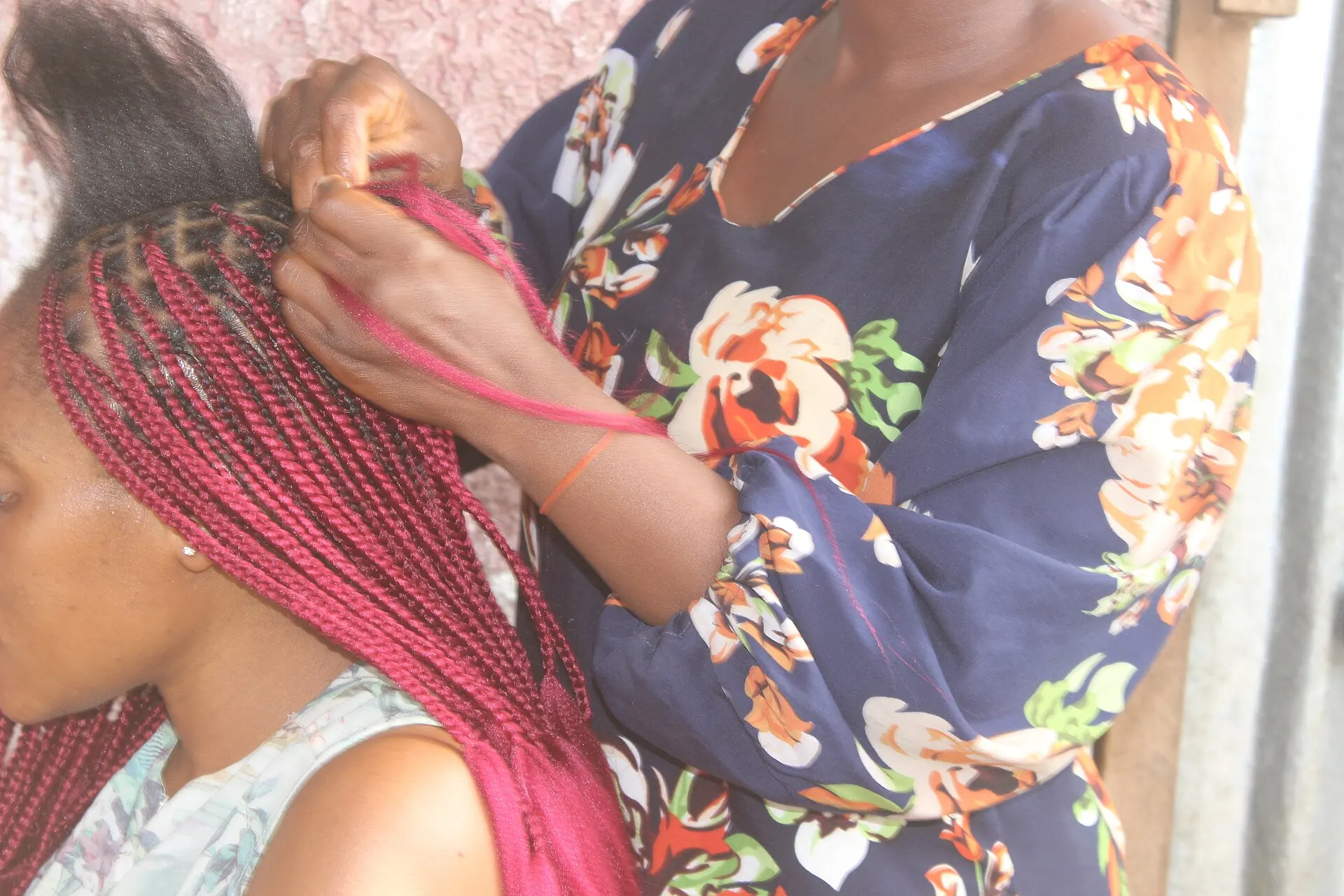
Walk through any Lagos market on a Saturday and you will see the full range of Nigerian hairstyles for ladies, from tidy cornrows to waist-length knotless braids. Every one of them started with a woman sitting for hours, praying her stylist had a light hand.
Hair is serious business here. A good style can carry you through two weddings, a job interview and a family meeting where your aunty asks about your love life. A bad one can have you hiding under a scarf for a fortnight. So before you book that appointment, know what each style really involves. Here is the time, the comfort and the care, plus how to keep your edges alive.
Nigerian hairstyles for ladies that keep coming back
Trends rise and fall on Instagram, but a handful of styles never really leave. They work on most hair types, suit most faces and can be dressed up or down. These are the ones stylists in Yaba, Wuse and Ikeja get asked for again and again.
Knotless braids
Knotless braids start with your own hair and feed in extension gradually, so there is no hard knot at the root. That means less tension on the scalp and a flatter, more natural look. They take longer than box braids, sometimes six hours or more, and cost a bit more for it.
The payoff is comfort. You can usually pack them into a ponytail on the first day without the pain that comes with traditional braids. Medium length is the sweet spot if you want them to last about six weeks without looking tired.
Faux locs
Faux locs give you the look of locs without the years of commitment. The stylist wraps extension, often Marley hair or yarn, around braided or twisted sections of your hair. The result is chunky, textured and a little bohemian.
They are heavier than they look. Ask for a lighter version, sometimes called soft locs, if your neck and scalp are sensitive. Expect to sleep carefully for the first few nights while they settle.
Twists: Senegalese, kinky and passion
Twists are faster to install than braids and easier to take down. Senegalese twists use smooth synthetic hair and look sleek and rope-like. Kinky twists use coarser Marley hair that blends with natural afro texture. Passion twists are the curly, carefree cousin, perfect for anyone who wants volume.
The catch is that twists can unravel at the ends, especially the smooth ones. A quick dip in hot water at the salon seals them. Keep a satin bonnet handy so they do not frizz within a week.
Cornrows and Ghana weaving
Cornrows are the most Nigerian of all options. Grandmothers wore threaded styles and all-back weaving long before anyone said “protective style”. Today’s versions come in bold patterns, zigzags, and side-swept designs that end in braided ponytails.
They are affordable and quick, often done in under two hours. They also make a great base for a wig if you like switching looks for Owambe weekends. Just make sure the rows are firm, not tight enough to raise bumps.
Bob braids and ombre colour
Short bob braids that end at the chin or shoulder suit almost every face shape and look sharp at work. If you want something more playful, ask for ombre extension that fades from black to honey blonde, burgundy or copper. Many stylists blend two packs of colour by hand if the ready-made faded hair is not available.
How to protect your edges and scalp
The prettiest style in the world is not worth a receding hairline. Constant pulling can damage hair follicles for good. The American Academy of Dermatology warns that hair worn tightly pulled back for long periods can lead to permanent hair loss, a condition called traction alopecia.
Watch for these warning signs at the salon and after:
- Small white or red bumps along your hairline after installation
- Pain that keeps you awake on the first night
- Thinning or broken hair around your temples after taking a style down
- A stylist who keeps saying “it will loosen” while you are wincing
Speak up while the braiding is happening, because you are the customer. Ask for larger sections at the front, skip the gel-heavy slick edges now and then, and give your hair a rest of a week or two between long installations.
When the itch is more than an itch
Some itching in the first few days is normal. Persistent burning, swelling or a rash may be a reaction to the synthetic hair or to a product. The NHS explains how contact dermatitis develops when skin reacts to something it touches. Rinsing extension in diluted apple cider vinegar before installation helps some people, but if your scalp is weeping or blistering, take the style down and see a pharmacist or doctor.
Making your style last longer
Most braids and twists look their best for four to six weeks. Keeping them longer than eight weeks risks matting at the roots and breakage when you finally loosen them. Here is how to get full value for your money:
- Sleep in a satin bonnet or on a satin pillowcase.
- Spray your scalp lightly with water mixed with a few drops of a light oil every two or three days.
- Wash gently with diluted shampoo once every two weeks, focusing on the scalp.
- Retouch the front rows after three weeks instead of redoing everything.
Budget matters too. Prices for the same style can differ wildly between a salon in Lekki and a roadside stylist in Surulere, and both can do a great job. Factor hair costs into your monthly plan, the same way you would plan for aso ebi for a friend’s wedding, so a new look never wrecks your rent.
Choosing the right style for your life
The best choice among Nigerian hairstyles for ladies depends on how you live. If you swim, gym daily or work under a helmet, cornrows will treat you better than long locs. If you hate early mornings, a style you can pack into a bun in thirty seconds is worth every naira. For a big event, book a week ahead so the style has time to relax before the photos.
One last tip from every good stylist: bring your own pack of extension if you are particular about colour or brand. The salon’s “same thing” is rarely the same thing.
Get new stories by email
Practical guides on money, work, tech and culture. No spam, and you can leave at any time.