




5 min read
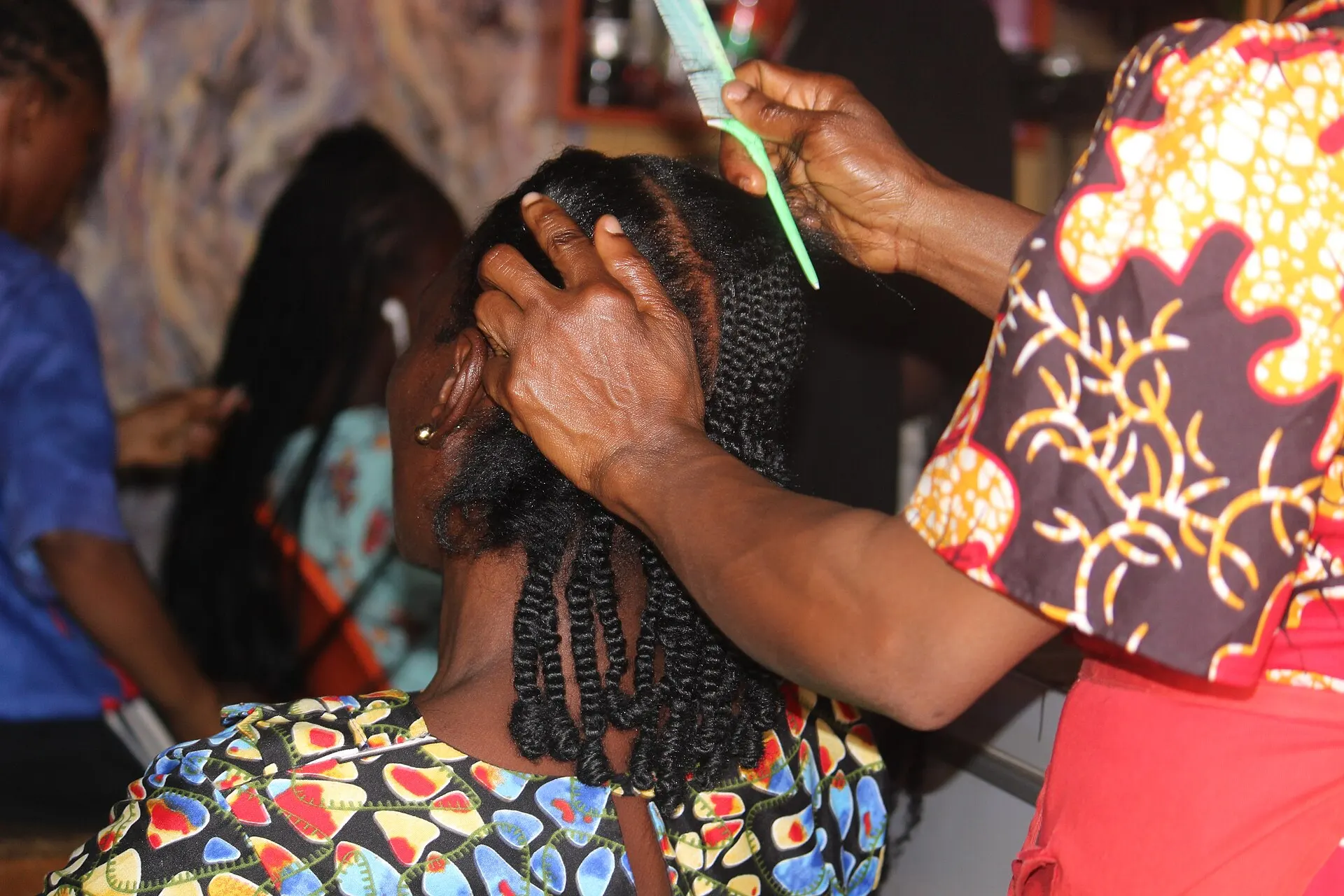
Every street in Nigeria has at least one woman who does hair from her parlour, and her phone never stops ringing. Starting a hair styling business from home is one of the most practical ways to turn a skill into steady income, because the demand never really dies.
Women braid for Christmas, for weddings, for job interviews and for no reason at all. Men need regular cuts. Children need their hair done before school resumes. If you have good hands and patience, you already have the most expensive part of the business.
Get your skills where they need to be
Customers will forgive a small space. They will not forgive bad braids. Before you start charging, make sure you can do the popular styles cleanly and at a decent speed. That means knotless braids, cornrows, twists, wig installs, and basic washing and conditioning.
If you are not there yet, learn under an experienced stylist for a few months. Many salons take apprentices. You can also take short courses, then practise on friends and family for free until your parting is sharp and your braids are even. Every head you do is a free advert, so do not rush this stage.
Setting up a hair styling business at home
You do not need to rent a shop on day one. A clean, well-lit corner of your sitting room or a spare room works fine at the start. What matters is that clients feel comfortable and safe.
Basic equipment
Start with what you need, not everything you see in big salons:
- A sturdy, adjustable chair and a mirror
- Combs, brushes, clips, scissors and a rat-tail comb for parting
- A hand-held dryer and a hooded dryer if you plan to do treatments
- Towels, capes and a basin or sink for washing
- A small rechargeable fan and lamp for when NEPA takes light
- Disinfectant for combs and tools between clients
Power is a real issue. A dryer cannot run on hope. If you plan to use electric tools often, a small inverter or generator will save you from sending clients home with half-dried hair. Our guide on choosing an inverter and battery can help you figure out what size you need.
Hygiene is non-negotiable
Clean every comb and tool between clients, wash towels after each use and never reuse disposable items. Scalp infections spread easily through shared tools, and one bad experience can travel round your area faster than any advert. Use only products with proper labels, and avoid relaxers or dyes you have not been trained to apply.
Price your services properly
Many home stylists underprice themselves because they fear losing clients. That leads to burnout. Work out your real costs: hair products, electricity or fuel, transport to buy supplies and your time. Then check what salons in your area charge.
A sensible approach is to price slightly below established salons while you build a following, then raise prices as demand grows. Charge separately for extension unless the client brings her own. Ask for a deposit for long styles, especially on weekends, so no-shows do not cost you a whole day of income.
Register and keep things legal
Registering your business makes you look professional and opens doors to loans, bank accounts in the business name and bigger clients, like bridal parties. You can register a business name with the Corporate Affairs Commission online. It is cheaper and simpler than most people assume.
Check whether your estate or landlord has rules about running a business from home. For training, advice and information on small business support programmes, the Small and Medium Enterprises Development Agency of Nigeria (SMEDAN) is a good place to start.
Find and keep clients
Word of mouth is still king in this trade. Your first clients will probably be neighbours, church members, colleagues and friends of friends. Treat every one like a celebrity. Be on time, keep your space tidy and finish what you promise.
Social media does the rest. Take clear photos of every finished style in good natural light, front and back. Post them on Instagram, TikTok and your WhatsApp status. Add your area and prices so people know you are close and affordable. A short video of a style being done often brings more enquiries than ten still photos.
Offer home service for an extra fee. Busy professionals and new mothers will gladly pay for a stylist who comes to them. Bridal hair for weddings, especially for the bride and her friends, can bring in a week’s income in a single day.
Manage your money from day one
Keep business money separate from personal money, even if it is just a different bank account. Record every sale and every purchase in a notebook or a simple app. At the end of each month, you will know if you are actually making profit or just moving money around.
Be careful with transfers. Always confirm a payment has landed in your account before a client leaves, because fake transfer receipts are common. Our article on spotting fake alerts explains what to look out for.
Growing beyond your sitting room
Once your calendar is full most weeks, consider training an apprentice, selling hair products to your clients or moving into a small shop. Grow slowly and pay for upgrades from profit rather than loans where you can.
A hair styling business rewards consistency more than talent. The stylist who answers messages quickly and never cancels on a bride will outlast the gifted one who keeps clients waiting for three hours.
Get new stories by email
Practical guides on money, work, tech and culture. No spam, and you can leave at any time.