



5 min read
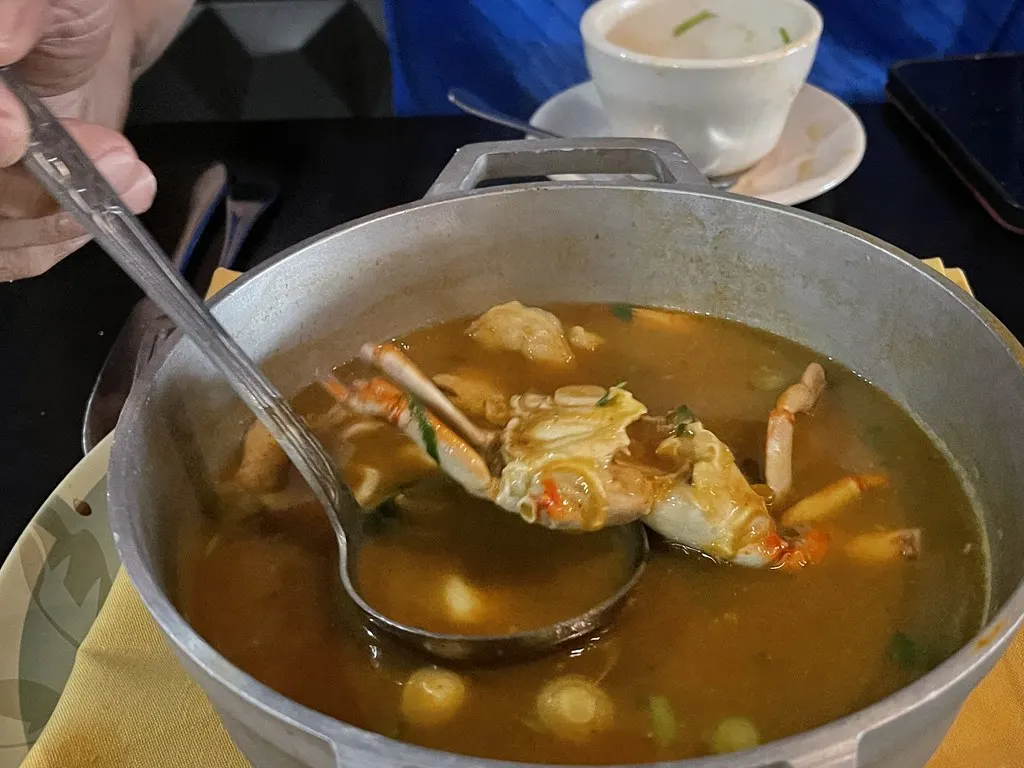
This fisherman soup recipe comes from the creeks and coasts of the Niger Delta and Cross River, where fishermen once cooked part of the day’s catch right by the water. It is a light, peppery soup packed with fresh fish and shellfish, and it tastes like the sea in the best way.
Unlike egusi or ogbono, fisherman soup is not heavy. It is thickened gently with yam, flavoured with palm oil and scent leaf, and cooked quickly so the seafood stays tender. Christmas is a popular time to make it, when families splash out on a full pot.
Choosing your seafood
Freshness is everything here, because there is no heavy base to hide anything. At the market, pick fish with clear, bulging eyes, bright red gills and firm flesh that springs back when you press it. It should smell of the sea, not of ammonia or rot.
Crabs should be heavy for their size and, ideally, still moving. Periwinkles are easier bought already removed from their shells. If you add clams or mussels, the US Food and Drug Administration advises throwing away any with cracked shells, and any that stay closed after cooking.
Seafood is not cheap, so plan the shopping like a budget item rather than a whim. Our guide to budgeting on a Nigerian salary has ideas for setting aside money for special meals like this.
Ingredients for this fisherman soup recipe
This makes enough for four to six people.
- 1kg fresh fish, such as croaker, catfish or tilapia, cleaned and cut into large pieces
- 300g fresh prawns, washed, with heads on or off
- 4 to 6 crabs, cleaned and halved
- 1 cup periwinkles, removed from shells and washed
- 4 small slices of white yam (about 300g), peeled
- 4 tablespoons palm oil
- 2 tablespoons ground crayfish
- 3 to 5 scotch bonnet peppers (ata rodo), blended or finely chopped
- 1 onion, chopped
- A handful of scent leaf (efirin) or uziza leaves, sliced
- 2 seasoning cubes, salt to taste, and Cameroon pepper if you like extra heat
How to cook it, step by step
1. Prepare the seafood
Wash the fish in water with a squeeze of lime, then rinse well. Scrub the crabs with a brush. Clean the prawns, removing the dark vein along the back if you prefer. Wash the periwinkles in several changes of water, rubbing them with a little salt to remove grit and slime.
Season the fish lightly with salt, half a seasoning cube and a little pepper. Leave it for 15 to 20 minutes while you prepare the rest. Keep all the seafood cold until you need it.
2. Cook the yam thickener
Boil the yam slices in a small pot of water until very soft, about 15 minutes. Drain, then pound or blend them into a smooth paste with a few spoons of the cooking water. Some cooks prefer cocoyam, which gives a slightly stretchier soup. Either works.
3. Build the broth
In a wide pot, bring about 4 cups of water to the boil with the onion, crayfish, blended pepper and the remaining seasoning cube. Add the crabs first, since they take longest, and cook for about 8 minutes.
Stir in the palm oil, then add the yam paste in small lumps. Stir gently until it dissolves and the broth thickens slightly. If it gets too thick, add a little hot water. It should coat a spoon lightly, not hold it upright.
4. Add the fish and shellfish
Lay the fish pieces in the pot, add the periwinkles and cover. Simmer on medium heat for about 8 minutes. Avoid stirring with a spoon from here on, because the fish will break into flakes. Shake the pot gently instead.
Add the prawns and cook for 3 to 4 minutes, just until they turn pink and curl. Overcooked prawns go rubbery, so watch them. Check that the fish flakes easily and looks opaque all the way through.
5. Finish with leaves
Taste for salt and pepper, then add the sliced scent leaf or uziza. Cover, turn off the heat and let it sit for two minutes. The leaves will wilt and release their aroma.
Serving and storing
Serve hot with eba, starch, semovita or fufu. Many people also eat it on its own, like a pepper soup, with boiled yam or plantain on the side. A good fisherman soup recipe deserves a bowl of hot swallow and nothing else to distract you.
Leftovers should go into the fridge within two hours and be eaten within a day, because seafood spoils fast. Reheat until it is piping hot all the way through, and only reheat it once.
A note on shellfish allergies
Shellfish such as prawns, crabs and periwinkles are one of the more common food allergies. If a guest has ever reacted to seafood, ask before serving. The NHS describes the signs of a food allergy, from itching and swelling to breathing trouble.
Swelling of the lips, tongue or throat, or difficulty breathing after eating, is an emergency. Get the person to a hospital immediately.
Small tweaks worth trying
Add a few pieces of dried or smoked fish with the crabs for a deeper, smoky flavour. Some cooks in Rivers State add a little ogiri or a pinch of Cameroon pepper for punch. If your crabs are small, crack the claws before cooking so the flavour gets into the broth.
Above all, cook it the day you buy the seafood. A fisherman soup made with fish bought this morning will beat one made with expensive fish that sat in the freezer for two weeks, every single time.
Get new stories by email
Practical guides on money, work, tech and culture. No spam, and you can leave at any time.